Cavity Treatment in Sangbong-dong Should I fill a dark spot that looks like a cavity?
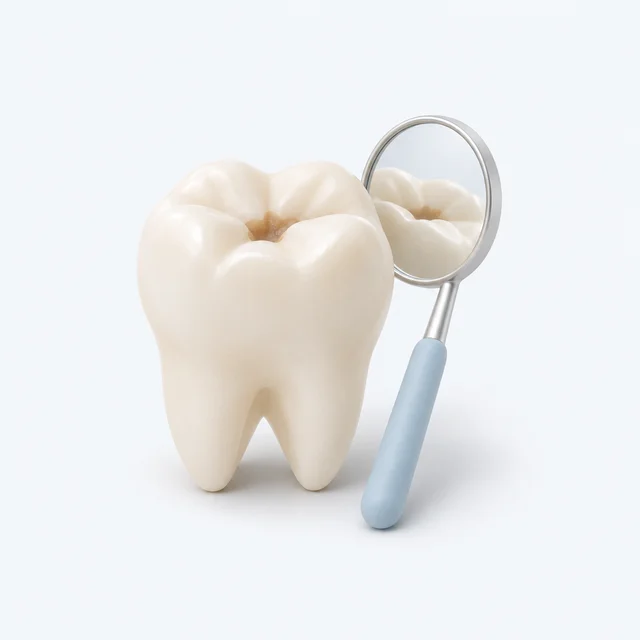
It depends on whether the groove is just stained or the surface has broken down and traps food. If there’s no hole yet, early changes can be watched while you use fluoride and keep brushing.
Before Treatment
Does it matter how long the pain lingers after something cold?
- When the pain starts
- We ask whether it only twinges when something cold touches the tooth, or keeps aching after the trigger is gone. If it throbs on its own, we test the nerve inside the tooth. Sensitivity alone doesn’t decide whether you need a root canal.
- Areas we can’t see
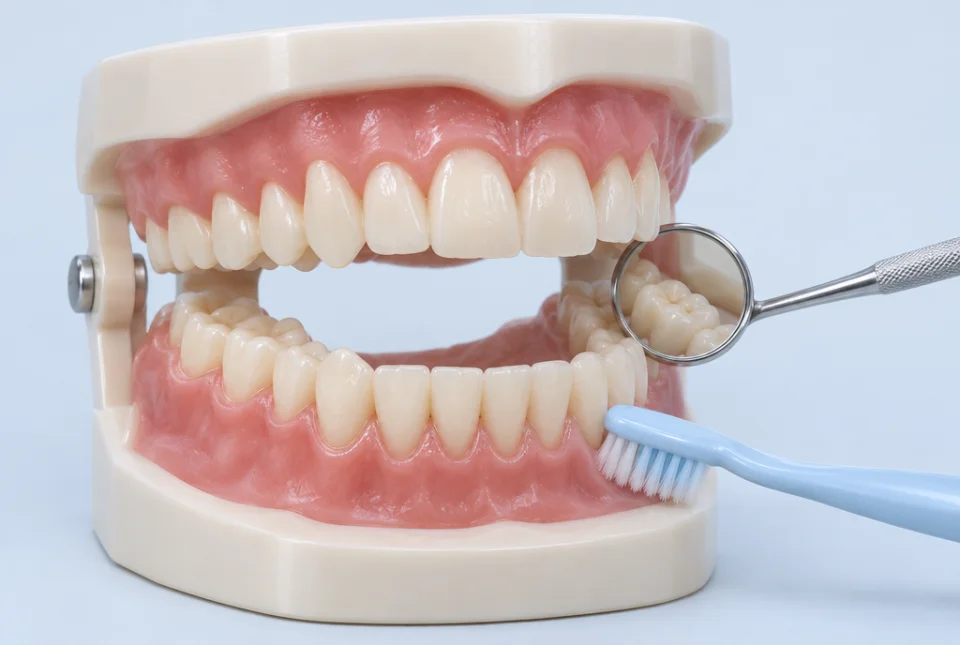
- The spaces between teeth and the edges of old fillings can be hard to see. When needed, we combine X-rays with an exam of your mouth to see how deep the cavity goes and which tooth walls can be saved.
Your Options
How do you choose between a direct filling and a lab-made restoration?
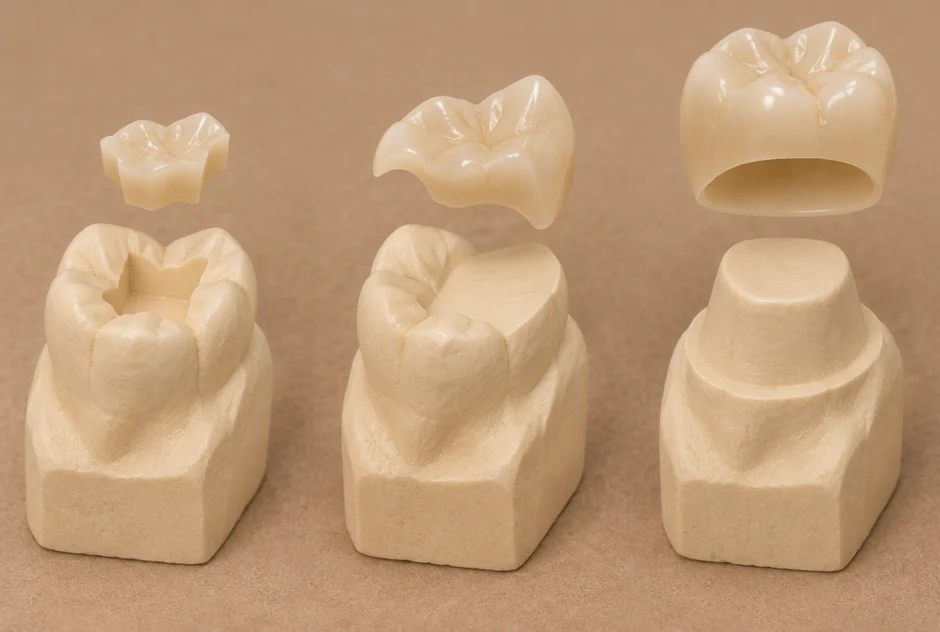
Fits into the hollow inside the tooth.
- Only the surface has changed
- If there’s no hole and the spot is an early lesion you can manage, the first step is fluoride toothpaste and changes to your eating habits. Your next checkup will show whether it has gotten deeper or the surface is breaking down.
- A small area with a solid wall left
- We remove the decay and place a tooth-colored (composite) filling directly. Whether we can keep saliva away from the tooth while the material bonds also affects this choice.
- A chewing surface that has weakened
- We consider an inlay made to fit the empty space inside the tooth, or an onlay that also covers the weakened cusps. If the remaining wall can’t take chewing force, you may need a crown that wraps around the tooth.
- The nerve is involved
- If the inflammation can’t recover or the nerve is infected, the inside of the tooth may need treatment (root canal). How to cover the tooth afterward is a separate decision, based on how much tooth remains.
Treatment Steps & Aftercare
Can I eat right after the cavity is removed?
Removing the decay and restoring the tooth
If we can fill the tooth directly, it can sometimes be done in one visit. If you need a custom-made restoration or a root canal, we place a temporary material and may split the treatment over several visits.
Eating after the numbness wears off
Make sure the feeling in your lips and cheeks has come back. While a temporary material is in place, don’t chew hard or sticky food on that side, and call us if it comes out.
Checking the bite and edges
If only the treated tooth touches first when you bite down, the height needs to be checked. New cavities can form next to a filling, so clean between your teeth with floss or interdental brushes.
FAQs
Food gets stuck next to an old filling. Does the whole filling have to be drilled out?
We check whether the edge of the material has chipped, whether there’s decay underneath, and whether the way it meets the next tooth has changed. Depending on how far the problem goes, it can be repaired or replaced.
What should I do at home while we’re watching a cavity?
Brush with fluoride toothpaste and clean between your teeth. If you tend to snack on sweets or sip sugary drinks all day, cut back on how often, and have it checked again at your scheduled visit.
Can the plan change in the middle of treatment?
The damage can turn out deeper than it looked from the outside, or a weak tooth wall may show up. If what’s left of the tooth can’t withstand chewing force, we’ll talk again about how much to cover.
Medical references
- NHS: Tooth decay
- American Dental Association (ADA): Dental filling options
- Leeds Teaching Hospitals: Crowns
- NHS: Root canal treatment
- University of Bristol: Tooth decay and treatment guide for patients
- American Association of Endodontists (AAE): Tooth pain and sensitivity after treatment
- NHSBSA: Inlays and onlays guidance (PDF)
Book a Visit
What if I’m not sure which tooth hurts?
It’s enough to tell us whether it’s on the right or left, and whether it’s sensitive to cold or hurts when you chew. Let us know when the pain started and how long it lasts.