Dentures in Sangbong-dong My denture is loose. Do I need a new one?
First, your dentist checks which side lifts when you chew with your current denture in. If a gap has opened between your gums and the inside of the denture, it can be relined. If the teeth are badly worn or your bite has changed, a new denture may be the better choice.
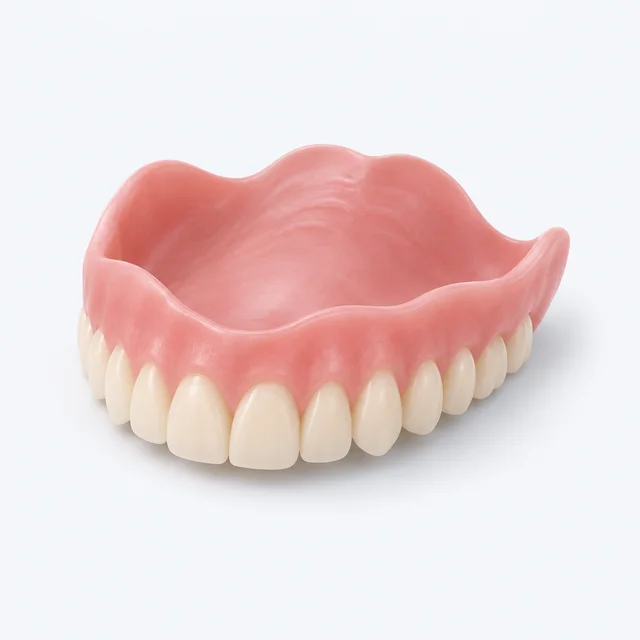
Before Treatment
Can my remaining teeth be used for a denture?
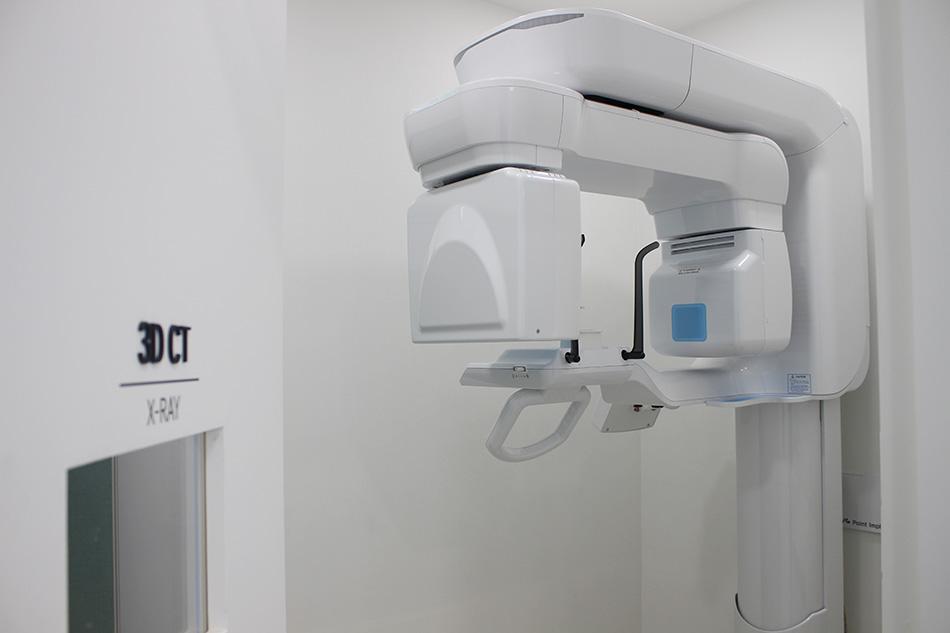
- Tooth position and mobility
- We check not only how many teeth remain, but where they are and whether the bone supports them well enough to hold a clasp. Teeth that can be saved after we treat cavities or gum inflammation can be considered as supports for a partial denture.
- Gum shape and sore spots
- If a tooth was pulled recently, your gums change shape as they heal. Impressions may be delayed, or you may wear a temporary denture and have it refit later. Sore spots and pressure points are adjusted first.
Your Options
Which type of denture moves the least when I eat?
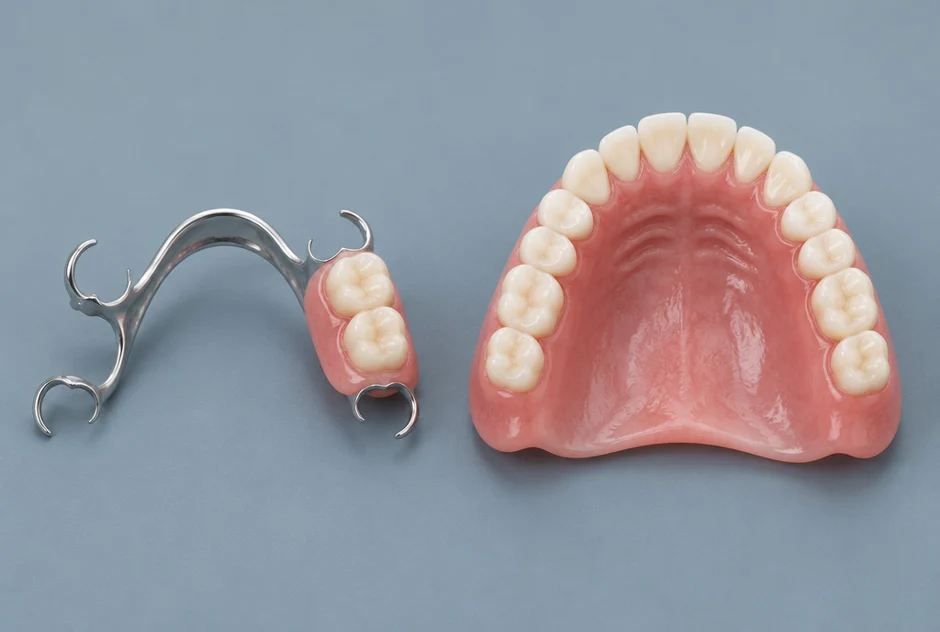
The metal clasps hook onto your remaining teeth here.
- Partial denture
- It rests on both the teeth you have left and the gums where teeth are missing. We check whether the teeth that hold the clasps can take the force and whether you can take it out and clean it yourself.
- Full denture
- It is made to fit your gums when you have no teeth at all in the upper or lower jaw. If the jawbone has shrunk a lot or your mouth is dry, it may lift easily, so we adjust the shape and the bite.
- Implant-supported denture
- It attaches to implants to reduce how much the denture moves. Your dentist checks whether you have enough bone for implants and whether your health is good enough for surgery. With the removable type, you need to clean the connection points too, and worn parts can be replaced.
Treatment Steps & Aftercare
How do I get used to a new denture and start eating?
Impressions and bite check
We record the shape of your gums and set the height at which your upper and lower jaws meet. During fabrication, we can check the tooth arrangement, your lip shape, and how you speak.
Your first meals
Cut soft food into small pieces and chew slowly on both sides. Reading aloud helps you notice which sounds make the denture move. If one spot keeps getting sore, don't put up with it. Have it adjusted.
Cleaning every day
Hold it over water or a towel so it won't break if you drop it, and clean the inside and outside with a soft brush. Hot water can change its shape. Brush your remaining teeth, gums, and tongue separately.
FAQs
Can I keep wearing a loose denture if I use more adhesive?
If you keep having to use more adhesive, it's time to check whether your gum shape or the inside of the denture has changed. Getting by on adhesive can hide a sore spot where the denture presses.
Can I grind down a sore spot a little at home?
Grinding one spot can push the force the denture takes onto another. Don't bend the clasps or grind anything yourself. Just show us where it hurts.
If I leave my denture out, will it be hard to find the sore spot?
If the sore is bad, you don't have to force the denture in for your visit. Note where it hurts and whether it's while eating or at rest, and call before you come in to ask whether to wear it.
Book a Visit
Should I bring my old denture?
Bring the denture you are using now, along with any part that has been repaired. Tell us which foods are hardest for you to eat.