Dental Implants in Sangbong-dong Can an implant go in right after a tooth is pulled?
If the socket can hold the implant post firmly, same-day placement may be an option. If infection remains or there isn't enough bone, you may need to let the area heal or have a bone graft first.
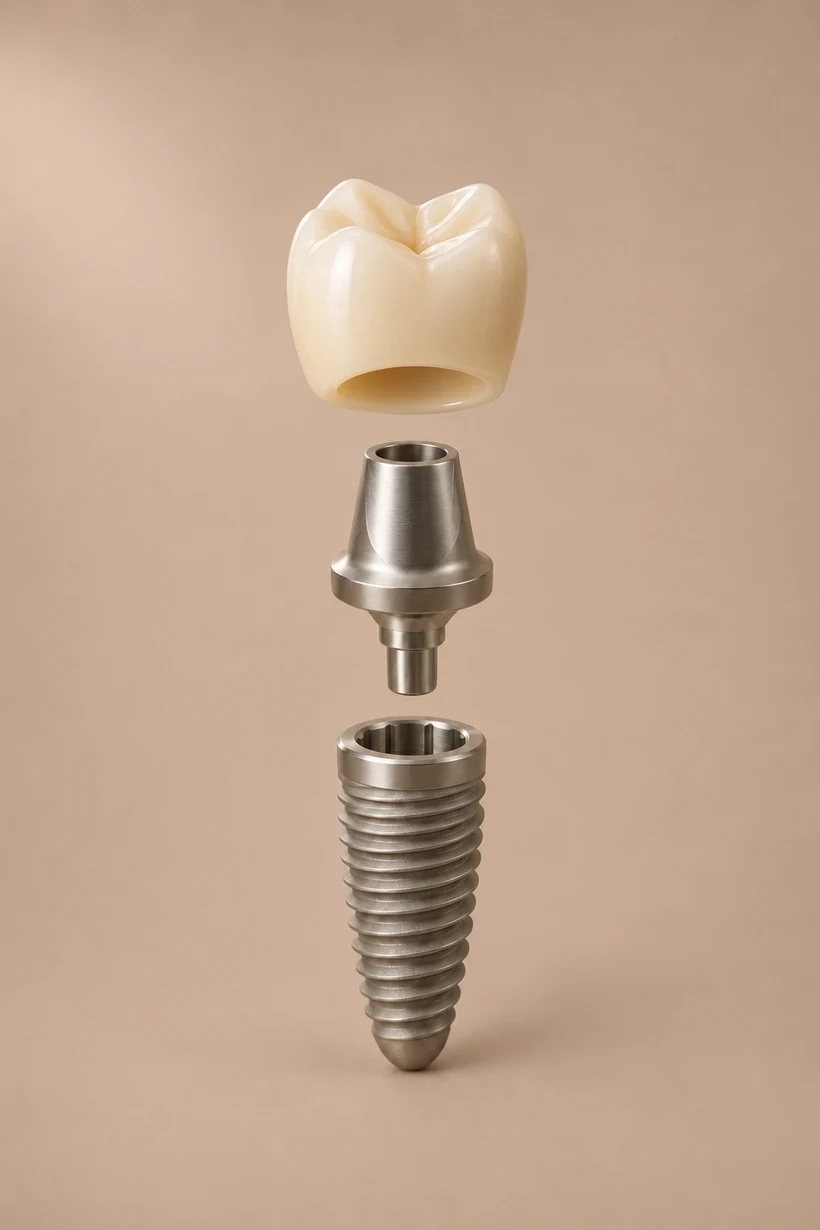
Before Treatment
What does the dentist look for on the scans when choosing the implant site?
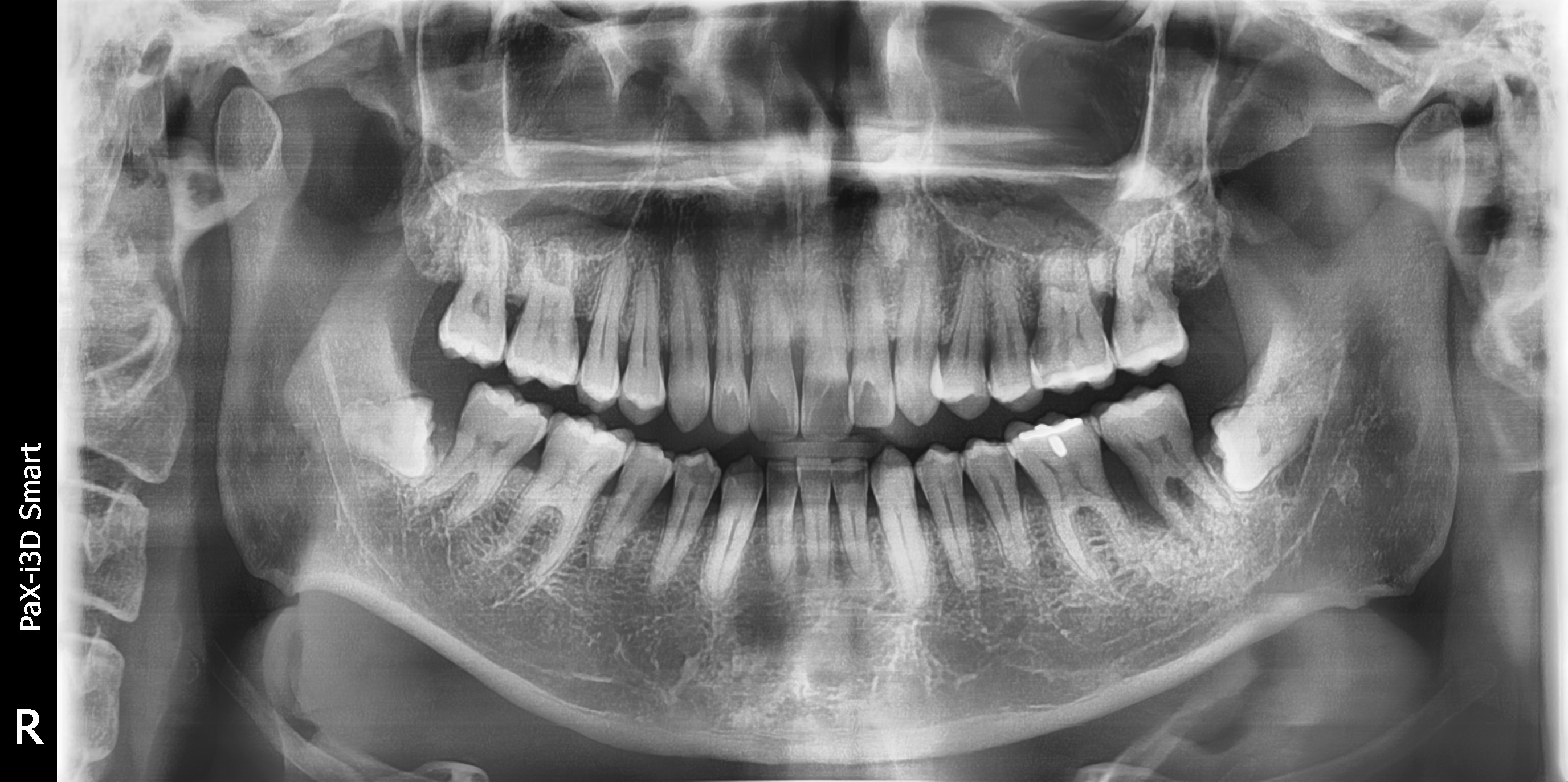
- Bone width and depth
- In the lower jaw, the key measurement is the distance to the nerve. For the upper back teeth, it is the distance to the maxillary sinus, the air space inside the upper jawbone. If a flat X-ray is not enough, a CT scan helps decide where the implant should go or how much bone graft you need.
- Gum infection and healing
- If the neighboring teeth have gum disease, treating the gums may come first. Blood sugar control and smoking both affect healing. If you take osteoporosis medication or a medicine that affects blood clotting, talk to the doctor who prescribed it, and don't stop taking it on your own.
Your Options
What are my options if I don't have enough bone?
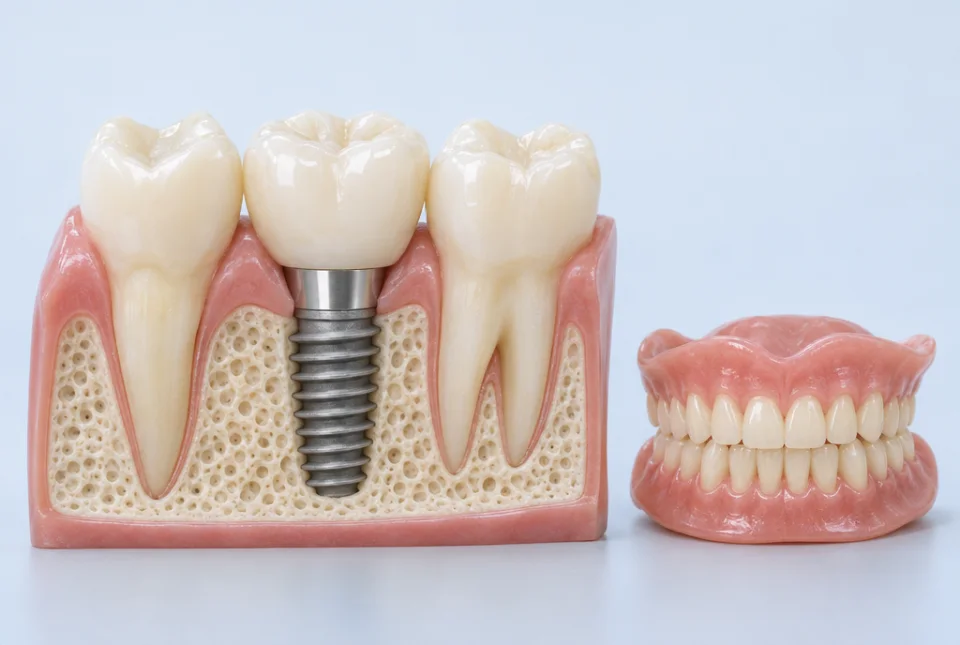
- Bone graft and implant in one visit
- If the bone you have can still hold the implant post, we may add bone where it is thin while placing the implant. Even if the implant goes in that day, when you can start chewing on it is a separate decision.
- Bone graft first
- If the bone is very narrow or short, the implant goes in once the graft has healed. That can mean more procedures and a longer timeline. If the site is close to the sinus or a nerve, you may need to be treated at another hospital.
- Non-surgical options
- If the teeth on both sides are strong, a bridge can fill the gap, though those teeth may need to be reshaped. If you are missing several teeth, a removable partial denture is worth comparing too.
Treatment Steps & Aftercare
When can I start chewing on it after the implant is placed?
Protecting the site after surgery
Right after surgery, follow the instructions for controlling bleeding and eating, and don't chew on the surgical site. Pain, bleeding, infection, and injury to a nearby nerve can occur. If the swelling gets worse or the feeling in the area changes, call the clinic.
Checking that the implant has fused to the bone
Even when your gums feel comfortable, the implant post takes time to fuse to the bone. If it is not secure enough or healing is slow, we may delay attaching the crown or redo the treatment.
Attaching the crown
Your dentist adjusts the bite height, then checks how much chewing force the implant can take. This is also when you learn to use floss or interdental brushes that fit the space under the crown.
FAQs
Can I have a temporary tooth while a front tooth is missing?
It depends on how much of the gap shows when you smile and how much force the surgical site will take. Even with a temporary tooth, you may need to avoid biting into food with your front teeth.
Can I wear my old denture after surgery?
The inside of the denture can press on the wound. Bring it to your visit before surgery, and we can talk about whether it needs adjusting and when you can start wearing it again.
How often should I come in for checkups?
That depends on whether you have had gum disease and how easily you can clean around the crown. If you notice pus or bleeding, call us without waiting for your next appointment.
Medical references
- Cambridge University Hospitals: Dental implant treatment
- Cambridge University Hospitals: Bone grafting for dental implants
- Cambridge University Hospitals: Placement and aftercare
- SDCEP: Managing the risk of peri-implant disease
- Leeds Teaching Hospitals: Dental implants and long-term care
- U.S. FDA: Dental implant structure and care
Book a Visit
Can I come in for a consultation before the tooth is pulled?
If a tooth is going to be pulled, tell us which one. If it has already been pulled, tell us when. Bring a list of the medications you take, and your old denture if you have one.