Pediatric Dentistry in Sangbong-dong My child’s baby tooth has a cavity but will fall out soon. Does it need treatment?
It depends on how much longer the baby tooth will be used for chewing and how deep the cavity is. If it’s a molar your child will keep for a good while, we also need to think about space for the permanent tooth and whether your child can eat comfortably.
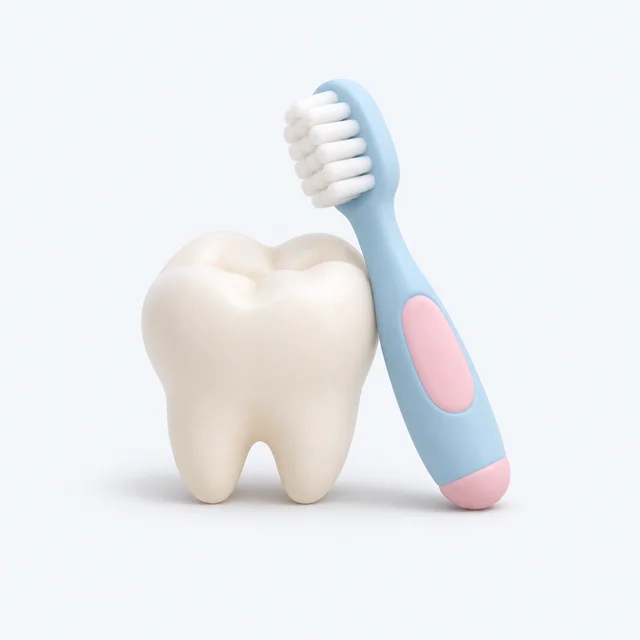
Before Treatment
Besides my child’s age, do you also look at which teeth have come in?
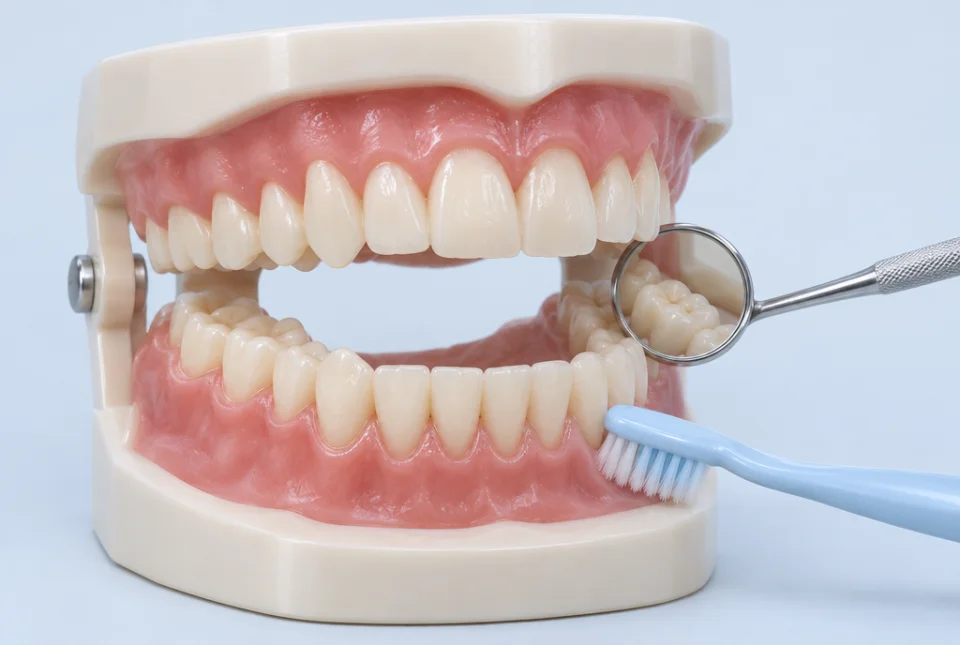
- The first tooth and baby teeth
- We recommend a first checkup once the first tooth comes in, and no later than around your child’s first birthday. The exam covers the tooth surfaces and your child’s feeding, snacking, and brushing habits, and then we decide what to change at home and when the next checkup should be.
- When permanent teeth come in
- A permanent molar can come in at the very back even before the baby teeth fall out. How far it has come in, how deep the grooves are, and how well the toothbrush reaches it all help decide when to place sealants.
Your Options
How is applying fluoride different from filling a cavity?
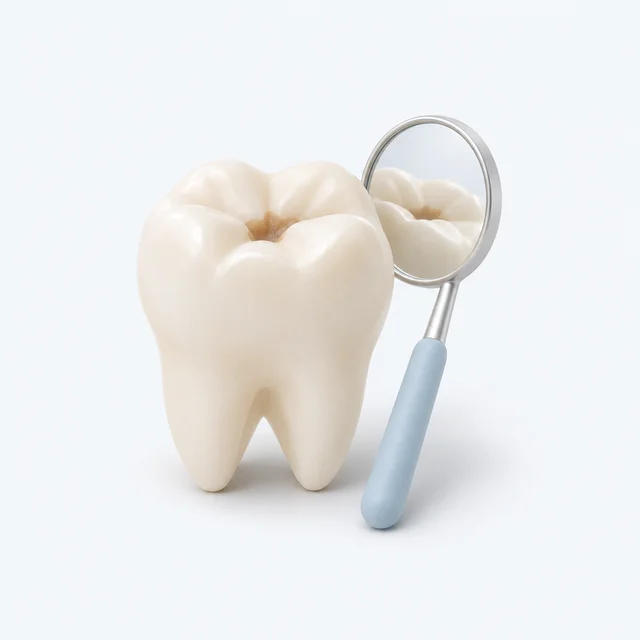
Look down on the chewing surface of the molar.
- Teeth that are prone to cavities
- Fluoride varnish helps the tooth surface resist decay. How often we apply it depends on your child’s cavity risk, and it can’t fill a hole that has already formed.
- Deep grooves in new molars
- A thin layer of material can cover grooves the toothbrush bristles can’t reach. First, the dentist checks that the tooth has come in far enough and that there’s no advanced decay inside the groove.
- A baby tooth with a hole or pain
- We consider a filling based on how much of the tooth is left and when it’s due to fall out. If the decay is deep enough to reach the nerve, your child may need nerve treatment (pulp therapy) or an extraction. If the baby tooth would be lost early, the space for the permanent tooth is checked too.
Treatment Steps & Aftercare
How should we prepare for the first dental visit?
Before you come
Tell your child in simple words, like “The dentist will count your teeth and look at them with a mirror.” It also helps to jot down where it hurts, which foods are hard to eat, and anything that scared your child before.
During the visit
We start by checking how wide your child can open and whether a toothache or swelling is urgent. If your child is very nervous, we can keep the first exam short or split the treatment into parts, and talk with you about referral to another facility if needed.
Back at home
Brush twice a day with fluoride toothpaste, and at bedtime, finish brushing for your child yourself. Floss where teeth touch. At checkups, any sealed teeth are also checked to make sure the sealant is still bonded.
FAQs
How much fluoride toothpaste should I use?
Once the first tooth comes in, use a smear the size of a grain of rice under age 3, and a pea-sized amount from ages 3–6. Put the toothpaste on the brush yourself, and stay close so your child doesn’t swallow it.
If my child brushes alone, do I still need to brush again?
Even if your child can move the brush, the backs of the molars and the area near the gums are easy to miss. Let your child brush first, then check the spots that are left.
Can my child have sedation if they’re scared?
Your child’s age, health, and the amount of treatment needed have to be evaluated separately. Sedation guidance for adults can’t simply be applied to children, so ask when you book whether sedation is available for your child.
Book a Visit
What information should a parent bring?
Tell us your child’s age, the day the pain started, and whether it’s getting in the way of eating or sleeping. Medications, allergies, and anything that was hard at a previous dental office also help.