TMJ Treatment in Sangbong-dong My jaw clicks when I open my mouth. Do I need treatment?
If there’s a sound but no pain and you can open wide, it may be fine to just keep an eye on it. If the area in front of your ear hurts when you chew, or your jaw catches so you can’t eat, the joint and the chewing muscles need to be examined together.
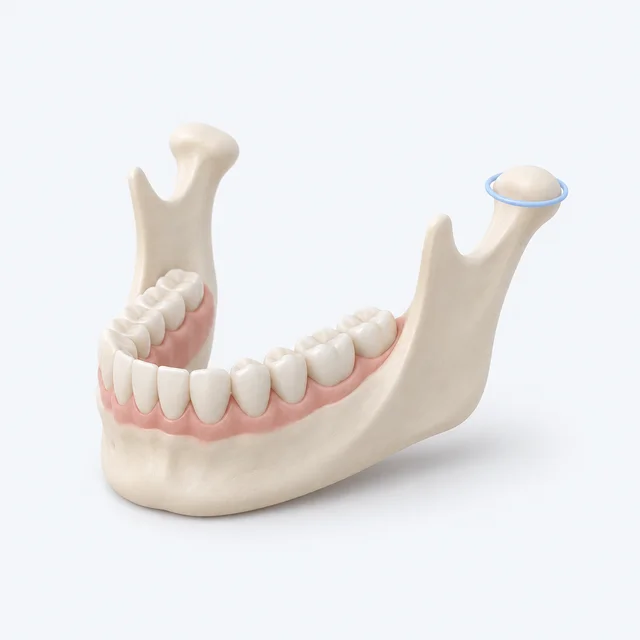
The lower jawbone runs up to the front of both ears.
Before Treatment
How can you tell whether the pain is from a tooth or the jaw?
- When you move your jaw
- Does the area in front of your ear hurt when you yawn or close your mouth?
- When you bite down on food
- Does it hurt when food touches a particular tooth?
- When you’re at rest
- Are both cheeks sore when you wake up in the morning?
- How the jaw moves when you open and chew
- The exam checks how wide you can open and whether your jaw drifts to one side or catches. Your dentist also presses around the muscles and the joint to see whether your usual pain shows up.
- Differences between morning and mealtimes
- Tell us whether you’re stiff in the morning, or only hurt when you chew with a certain tooth. If a tooth or the gums are the cause, we treat that area. If your bite has changed since an injury, you may need imaging or further care.
Your Options
Will changing my habits be enough, or do I need an appliance?
- It makes a sound but doesn’t bother you
- Don’t move your jaw on purpose to check for the sound. Come back for another exam if new pain shows up or you can’t open as wide.
- Your chewing muscles hurt
- Cut back on foods that take a long time to chew so your jaw can rest. If the pain continues, your dentist reviews your health conditions and current medications, then considers medication, physical therapy, or jaw exercises suited to you.
- Clenching is also stressing your teeth
- Based on tooth wear and muscle fatigue, a stabilization splint may be worth discussing. If the pain increases or your bite feels different after you start wearing it, stop using it and come in for a check.
Treatment Steps & Aftercare
How should I use my jaw at home, and what changes should I watch for?
When you eat
While it hurts, skip tough or hard foods and gum, and eat soft food cut into small pieces. Don’t take big bites.
When you work or rest
Keep your lips lightly closed and your upper and lower teeth apart. Notice whether you clench when you concentrate, and don’t push your jaw into place with your hand or force it open.
At your next checkup
Tell us which foods hurt to chew, and whether morning pain or the number of times your jaw locked has changed. Depending on whether movement and eating have improved, treatment may be scaled back, or your dentist may look again for another cause.
FAQs
Do I need to have teeth shaved or straightened to get rid of the sound?
There’s little evidence for shaving teeth or permanently changing your bite just because of a sound. First, find out whether there’s a problem with pain and how wide you can open.
Can I follow the jaw exercises I saw online?
Which movements help depends on whether your jaw locks or your muscles are stiff. Do only the exercises you were taught at your visit, and stop if they hurt.
Once the appliance is fitted, can I keep using it indefinitely?
At regular checks, your dentist looks at how well it fits and whether wearing it changes your pain or how wide you can open. If it’s loose or your pain increases, it may need an adjustment.
Book a Visit
Can I come in for a consultation on days when I don’t have pain?
Bring notes on which side hurts, the days your jaw caught and how long it lasted, and whether it’s worse in the morning or evening. If you use an oral appliance, bring it with you.