Sedation Dentistry in Sangbong-dong I'm afraid of the dentist. Should I consider sedation?
The right approach depends on whether the needles scare you or keeping your mouth open for a long time is the hard part. If you are still very anxious even with a stop signal or shorter visits, we can talk about conscious sedation.
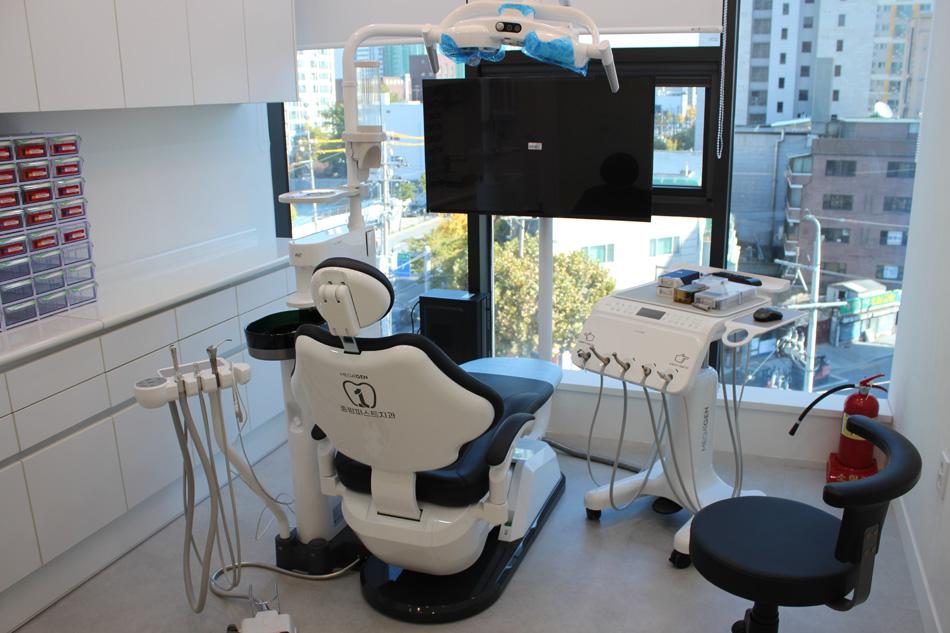
Before Treatment
Should I mention a bad experience I had with anesthesia?
- What symptoms you had
- Tell us specifically whether you felt nauseated, broke out in hives, or had trouble breathing. Depending on your reaction, we may need to recheck the medication or do further evaluation.
- Breathing during sleep and your regular medications
- Sleep apnea, heart or lung conditions, possible pregnancy, and sleeping pills all matter when we choose a sedation method. If you develop a cough or fever on the day of your visit, call before you come to ask whether the appointment should go ahead.
Your Options
How is a sedative that makes me drowsy different from anesthesia that dulls pain?
- Local anesthesia only
- This numbs the area being treated. If you can agree on a signal for when you feel anxious and take breaks, or if we can split the treatment into shorter visits, you may not need sedation medication at all.
- Adding conscious sedation
- This calms you while you can still respond to words and light touch. How asleep you feel, and how much of the treatment you remember, varies from person to person. You may still need a separate local anesthetic for pain in the treated area.
- Postponing sedation or referring you elsewhere
- Sedation medication can slow your breathing or cause an allergic reaction. Depending on your health and the scope of treatment, we will discuss whether you should have it in a different setting or start with the treatment that can be done without sedation.
Treatment Steps & Aftercare
How do I prepare for and get home after a sedation appointment?
Before you come
You'll get individual instructions on when to stop eating and drinking and how to take your regular medications. Don't stop any medication on your own, and don't drink alcohol or take extra sleeping pills.
During treatment
Your responses, breathing, and circulation are monitored throughout. Give us a signal if you are uncomfortable. If your responses or breathing change, we stop treatment and check on you.
After you get home
Once the team confirms you've recovered, go home with an adult companion. Even if you feel less sleepy, your judgment and balance can take longer to return. For as long as you are told to, avoid driving, risky tasks, and important decisions.
FAQs
What if I ate or drank when I was told not to?
Tell us what you had and when before you come in. The dental team will decide whether to go ahead and reschedule if needed.
Does my companion only need to pick me up?
When you book, confirm when your companion needs to be there and how long they need to stay with you at home. If you would be caring for young children or family alone that day, arrange for someone to help in advance.
Can my child have sedation too?
Children need a separate evaluation of age, development, and airway. Tell us what treatment your child needs and about any earlier dental visits, and check with us first whether we can see your child.
Book a Visit
Where do I start?
Tell us the hardest moment from your last visit. Bring the names of the medications you take, plus any records of previous anesthesia or sedation.