What are the types of malocclusion?
These are the most common types, and many people have more than one.
- Crowding: not enough room, so teeth overlap or stick out
- Protrusion: front teeth tilt forward, so the mouth looks pushed out
- Underbite (anterior crossbite): the lower front teeth sit in front of the upper front teeth
- Open bite: the front teeth don't touch when you bite down on your molars
- Deep bite: the upper front teeth cover the lower front teeth too much
What causes it, and what problems can it lead to?
The most common cause is an inherited mismatch between jaw size and tooth size.
Childhood habits such as thumb sucking, mouth breathing, and tongue thrusting, or losing a baby tooth too early, can also play a part.
Overlapping teeth are hard to clean, so they're more prone to cavities and gum inflammation.
If your bite is shifted to one side, some teeth may wear down faster or your jaw may feel uncomfortable.
How is it treated?
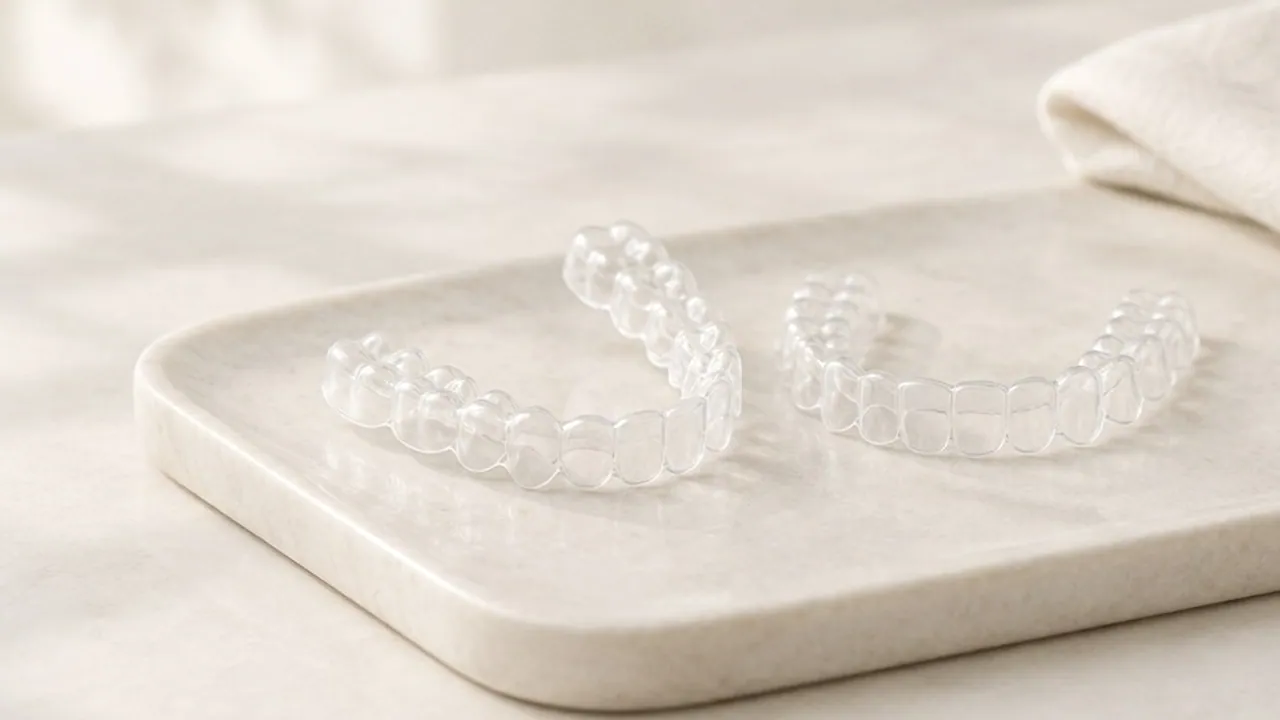
Alignment problems are corrected by moving the teeth with braces.
For growing children, an appliance that guides jaw growth is sometimes used first, so we recommend a first visit in the early elementary school years.
For adults with a large difference in jaw size, braces alone may not be enough, and treatment is sometimes planned together with jaw surgery.
How long treatment takes varies a lot by type and severity, so we explain it after your exam.
When to come in right away
- Difficulty biting food with your front teeth
- Clicking or popping in your jaw, or pain when you open wide
At Jungnang First Dental
At Jungnang First Dental, we use X-rays, photos, and a model of your teeth to identify your type of malocclusion and its cause.
Then we explain the orthodontic options and how long treatment may take, and decide with you whether to go ahead.
We’re open Monday and Friday 9:30 am–8 pm, Tuesday through Thursday 9:30 am–6:30 pm, and Saturday 9:30 am–2 pm.
Call +82-2-2209-2879 to book or ask a question.